

Methods of Box Closure
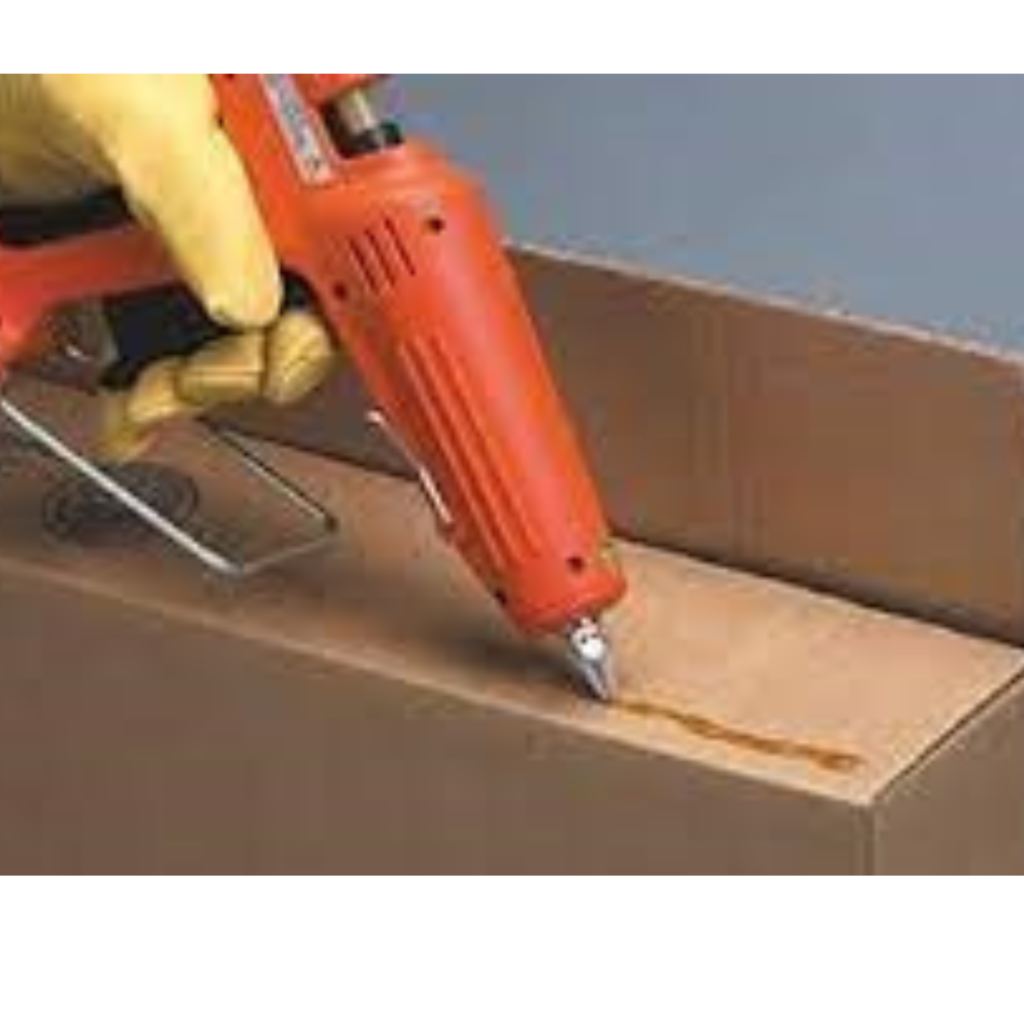
Methods of Box Closure Box closure or Sealing by BOPP Tapes. The most commonly used method and also often a low-cost alternative. However, in the recent past this method is under pressure due to the on Ban on Single Use Plastics in India and other parts of the world. BOPP is a pressure sensitive adhesive tape – applied manually or by a machine as shown above. Is available in plain or printed tapes with custom logos of companies. The Tape or the consumable is under scrutiny as it is a “Single use plastic” and several large companies have changed over to alternate methods of closure. Less Suitable for Heavy Loads: While BOPP tape is durable, it might not be the best choice for sealing heavy boxes or packages that require significant strength and stability. In such cases, other options like Stapling, reinforced tape or strapping might be better. Hot Melt Adhesives for Box Closure Pros: Clean joint, quick and fast application, cost effective consumable (hot melt) per pack, strong joint Some Positives about Hot Melt applications : Quick Bonding: Hot melt adhesives solidify rapidly upon cooling, creating a strong bond within seconds. This leads to increased production efficiency and faster packaging processes. Versatility: Hot melt adhesives can bond various types of materials, including cardboard, paper, plastics, and even some metals. This versatility makes them suitable for a wide range of box sealing applications. No Drying Time: Unlike water-based or solvent-based adhesives that require time to dry, hot melt adhesives solidify quickly upon cooling, eliminating the need for drying time and allowing for immediate handling of sealed boxes. Strong Bond: Hot melt adhesives provide a strong and reliable bond when applied correctly, contributing to secure packaging and reducing the risk of box contents being damaged during transit. Temperature Resistance: Many hot melt adhesives exhibit good temperature resistance, maintaining their adhesive properties even in varying temperature conditions during transportation and storage. Clean Application: Hot melt adhesives are typically applied in a molten state and solidify upon cooling. This means there is minimal mess or excess adhesive to deal with, leading to a clean and neat appearance. Possible Cons: Initial high cost of the Hot Melt Equipment (Capex) Difficult to Reopen: Once a box is sealed with hot melt adhesive, it can be challenging to reopen without damaging the box or its contents. This might be a concern if the package needs to be inspected or resealed. Potential for Burns: When using hot glue guns or other equipment to apply hot melt adhesives, there is a risk of burns or injuries if not handled properly. Environmental Considerations: Some hot melt adhesives are made from petroleum-based materials, raising environmental concerns. However, there are eco-friendly alternatives available, such as adhesives derived from renewable resources. Stapling as a method of Box Closure Stapling is a commonly used method for closing boxes and securing packaging materials. Like any packaging option, stapling has its own set of pros and cons that should be considered based on the specific requirements and context. Here are some pros and cons of using stapling as a box closing option: Speed and Efficiency: Stapling is generally faster than other methods like taping or gluing, making it a suitable choice for high-volume packaging operations. Strength: Staples can provide a strong and secure closure, particularly when used with appropriate staplers and staples designed for the intended packaging materials. Tamper-Evident: If someone attempts to tamper with the contents of a stapled box, it is often noticeable because the staples would need to be removed or manipulated, leaving behind evidence of tampering. Minimal Material Waste: Unlike tape or glue, staples usually don’t require a backing material and generate minimal waste, making them more environmentally friendly in terms of material usage. Consistency: Stapling machines can be adjusted for consistent staple placement, resulting in a uniform and neat closure. Possible Cons : Need for Specialized Tools or equipment : Effective stapling requires the use of appropriate staplers and staples, which may involve initial investment in the same In summary, stapling can be an efficient and secure box closing option for certain applications, particularly those that prioritize speed and tamper resistance. However, it’s important to carefully consider the specific needs of your packaging, the contents being shipped, and the potential drawbacks associated with stapling. In some cases, a combination of stapling and other sealing methods might provide the best solution for your packaging needs.
Tips on Preventing Damages to Products through Better Packaging

Tips on Preventing Damages to Products through Better Packaging Preventing damage to products through better packaging involves considering various factors to ensure the safety and integrity of the items during storage and transportation. It is also critical in ensuring customer satisfaction, reducing waste, and saving costs. In this Blog we are covering some ideas for the individual package or individual carton or box protection. We would be writing about tips on protecting cargo inside the containers and trucks in a separate blog. So please stay tuned. 1. Choose Appropriate Packaging Materials: Select packaging materials that provide adequate protection for the specific type of product you’re dealing with. This might include corrugated cardboard, bubble wrap, foam inserts, shrink wrap, Stretch wrap or air cushions. The packaging material should be sturdy enough to withstand handling and potential impacts. Corrugated box Corrugated inserts Bubble Wrap Stretch / Shrink Wrap Air Cushions 2. Right Size and Fit: Use packaging that fits the product snugly but leaves a little space for cushioning materials. An overly tight fit can cause pressure on the product, while excessive empty space can lead to movement and potential damage. Excess empty space – needs extra void fill material Overpacked box 3. Cushioning and Padding: Fill any voids in the package with cushioning materials like bubble wrap, foam peanuts, or air pillows. These materials absorb shock and vibrations during transportation, reducing the risk of damage from impacts. 4. Consider Fragility: Understand the fragility of your products and package them accordingly. Delicate items might require extra layers of padding or protective casing to prevent breakage. 5. Reinforce Corners and Edges: The corners and edges of products are particularly vulnerable to damage. Reinforce these areas with corner protectors to enhance protection. Edge-Protectors for additional reinforcement for boxes or pallets 6. Secure Sealing: Use strong adhesive and sealing methods to ensure the package remains closed during transit. This helps prevent items from falling out and exposure to external elements. Below are the most commonly used Box or Carton sealing or closure methods Box Closure by BOPP Taping Box Closure by BOPP Taping Box Closure by Stapling 7. Water-Resistant Packaging: If your products are sensitive to moisture, consider using water-resistant packaging or including moisture-absorbing packets to prevent water damage. Packages wrapped with Stretch / Shrink Wrap or the outer layer of the boxes are made out of moisture resistant paper 8. Test Packaging Designs: Before implementing a packaging design on a large scale, conduct testing to simulate different transportation scenarios. This can help identify potential issues and make necessary adjustments. Drop tests / Vibration tests/inclined impact tests are some of the tests the packages are subjected to during design of the packaging 9. Labeling and Handling Instructions: Clearly label packages with handling instructions such as “Fragile,” “This Side Up,” or “Do Not Stack.” This helps handlers understand the sensitivity of the package and treat it accordingly. 10. Quality Control: Implement quality control measures to ensure consistency in packaging. Regularly inspect packages to catch any defects or issues that could lead to product damage. 11. Collaborate with Suppliers and Carriers: Communicate with your suppliers and shipping carriers to discuss packaging requirements and expectations. 12. Monitor and Adapt: Continuously monitor the success of your packaging strategies and gather feedback from customers and shipping partners. Be ready to adapt and improve your packaging based on the feedback received. Remember, the goal is to strike a balance between providing sufficient protection for your products and using resources efficiently. Regularly reviewing and adapting your packaging strategy based on customer feedback and evolving shipping practices is key to preventing damage and improving customer satisfaction.